
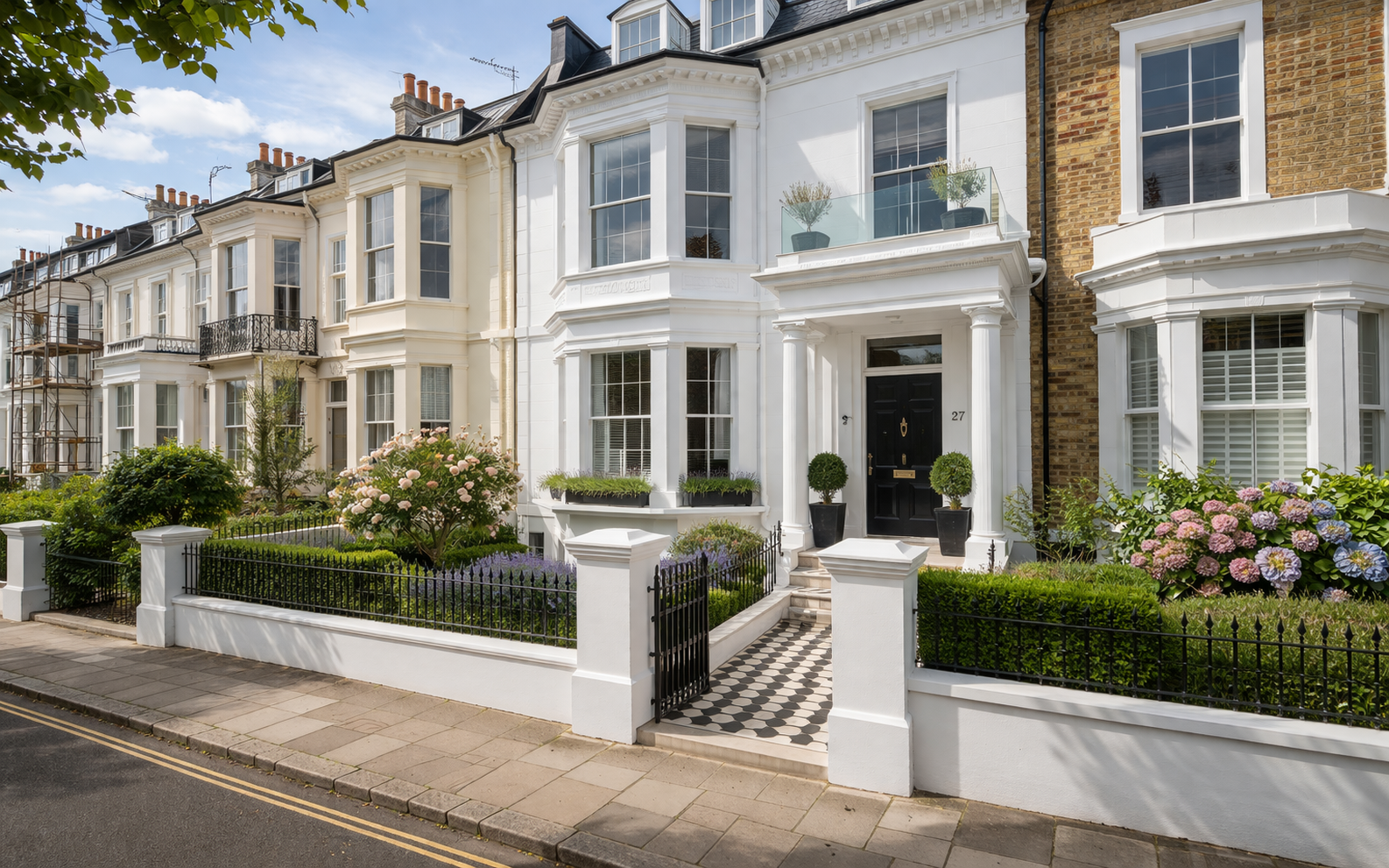
This case study shows how a building survey can help identify condition issues in an older property before purchase. Period buildings often have character and long term appeal, but they may also contain hidden maintenance liabilities, historic movement and defects linked to age, weathering or poor past repairs. A professional survey helps buyers understand those risks before they commit.
Bloomsbury Surveyors provides building survey advice across Brighton, Hove and Sussex for buyers, owners, investors and commercial clients. This example shows how a building survey helped clarify the condition of a period property and supported a more informed purchase decision.
Property Background
The property was a period house in Brighton with traditional construction, visible character features and clear buyer appeal. As with many buildings of this age, it had been altered over time and had a mixture of original fabric and later repair work. The buyer wanted a clearer understanding of the building’s condition before exchange of contracts.
Because the property was older and showed some visible signs of wear, a more detailed survey was considered appropriate.
Why the Buyer Commissioned a Survey
The buyer was attracted by the location and style of the property, but there were concerns about cracking, signs of damp at lower level and the general condition of the roof and external fabric. The buyer wanted to know whether these were routine period property issues or signs of more significant cost and risk.
This is a common situation in Brighton, where period buildings often require closer inspection before purchase.
Survey Scope
The survey involved a detailed inspection of the visible condition of the property with particular attention to structural movement, damp related defects, roof condition and external maintenance. The aim was to identify significant visible issues and explain their likely practical implications.
The survey considered:
- Visible cracking and movement signs
- Damp and moisture related symptoms
- Roof coverings and associated defects
- Condition of external walls and joinery
- Signs of poor previous alterations
- General repair and maintenance liabilities
Key Issues Identified
The survey identified a number of issues that were not fully apparent during viewings. These included visible cracking consistent with historic movement, evidence of moisture related deterioration at lower level, external weathering to parts of the building fabric and signs that elements of the roof had reached a stage where repair planning would soon be needed.
Importantly, the report helped distinguish between defects that appeared longstanding and relatively stable, and defects that were likely to need more immediate attention.
Cracking and Movement
Visible cracking was noted in several locations. The pattern and context suggested that much of this was likely to be historic rather than evidence of acute current movement, but it still required proper interpretation in the context of the building age and construction type.
The survey gave the buyer a more measured understanding of the issue and reduced the risk of overreacting to what was, in context, a relatively typical symptom for a building of this age.
Related pages:
Damp and Moisture Issues
The survey also identified visible damp related symptoms at lower level and in parts of the external envelope. Rather than simply labelling the issue generically, the report explained likely contributing factors including maintenance and building fabric behaviour typical of older construction.
This gave the buyer a clearer idea of the likely nature of the problem and what sort of repair approach might be required.
Related page:
Roof and External Fabric
The roof and external fabric showed age related wear and maintenance needs. The survey identified defects that were not necessarily unexpected for a period property, but which would need to be budgeted for. This included areas of weathering and repair liability that could have become more expensive if ignored over time.
For the buyer, this was valuable because it helped shift the discussion from uncertainty to planning.
Related page:
Outcome for the Buyer
The buyer proceeded with a much clearer understanding of the property’s condition and used the report findings to inform conversations around likely repair costs and priorities. The survey did not simply highlight problems. It provided context, helping the buyer understand which issues were relatively typical for the building and which needed more immediate budgeting.
This is exactly the role a building survey should play. It reduces uncertainty and helps clients make decisions based on evidence rather than appearance.
Lessons From This Case
This case study highlights several important points:
- Period properties often require more detailed inspection
- Visible cracking needs context, not guesswork
- Damp symptoms should be interpreted in relation to building age and fabric
- Roof and external maintenance liabilities can be significant even when not obvious at viewing stage
- A good survey supports decision making rather than simply listing defects
Why Period Property Surveys Matter in Brighton
Brighton and Hove contain a large number of period houses and converted buildings. These properties often have charm and value, but they can also carry more complex maintenance histories and building pathology issues than newer homes. A more detailed survey is often the best way to understand those risks before purchase.
Buyer guidance pages include:
How Bloomsbury Surveyors Can Help
Bloomsbury Surveyors provides building survey advice in Brighton, Hove and across Sussex for buyers considering period property as well as owners, landlords and investors dealing with older buildings. We help clients understand visible defects clearly so they can plan repairs, assess risk and make informed purchase decisions.
Whether the concern relates to cracking, damp, roof defects or general condition, we provide practical reporting tailored to the property and the client’s objectives.
Related Building Survey Pages
- Building Survey Advice Brighton
- Pre Purchase Survey Brighton
- Structural Survey Brighton
- Damp Survey Brighton
- Roof Defects Survey Brighton
- Building Survey FAQs
Frequently Asked Questions
Are period properties riskier to buy?
They can carry more maintenance and defect risk than newer homes, which is why surveys are often especially valuable.
Should I get a detailed survey on an older Brighton property?
In many cases, yes, especially where the building is altered, shows visible defects or has a complex maintenance history.
Can a survey help with price negotiation?
Yes. Survey findings can sometimes support a more informed conversation about likely repair liabilities.
Do you advise on Brighton period property purchases?
Yes. We provide building survey advice across Brighton, Hove and Sussex.