Thank you for reading our Party Wall FAQs. If, like most of our clients, you have been made aware of the Party Wall Act but are not fully informed and are looking for further information, then you have come to the right place.
A Party Wall is a wall shared between two properties, such as the wall between terraced or semi-detached houses. It can also include boundary walls and floor structures between flats.
You usually need to serve notice if you plan work such as extensions, loft conversions, basement excavations or structural alterations that affect a shared wall or are close to a neighbouring property.
Your neighbour can either consent to the works or dissent. If they dissent, surveyors are appointed to prepare a Party Wall Award which sets out how the work will proceed.
A Party Wall Award is a legally binding document prepared by surveyors that outlines how work will be carried out, working hours, access arrangements and how neighbouring properties will be protected.
Neighbours cannot normally stop work that falls under the Party Wall Act, but they are entitled to protection. Surveyors ensure works are carried out safely and fairly.
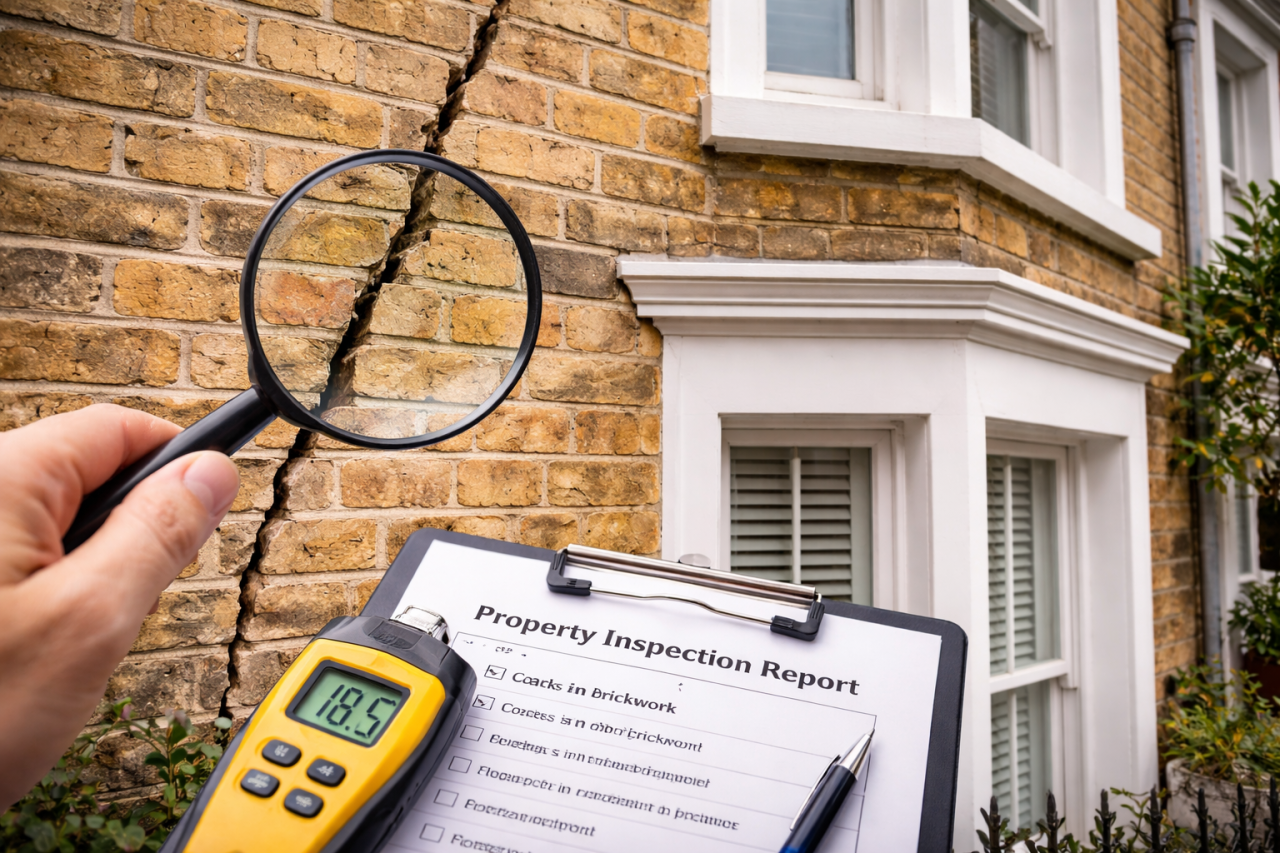
A Schedule of Condition is a written and photographic record of the neighbouring property's condition before work starts. This protects both parties if damage is later claimed.
Failing to follow the Act can lead to legal disputes, project delays or injunctions stopping your works. It is always advisable to seek professional advice before starting work.