
Buying a property is one of the biggest financial commitments most people will ever make. Yet surprisingly, many buyers still choose the cheapest survey option available, often focusing purely on saving a few hundred pounds upfront rather than understanding the potential risks hidden within the building itself.
At Bloomsbury Surveyors, we regularly inspect properties across Brighton, Hove, Eastbourne and Sussex where defects have either been completely missed or underestimated during earlier inspections. In many cases, the cost of repairing those problems later can run into thousands, sometimes tens of thousands, of pounds.
A property survey should never be viewed as a box-ticking exercise. A thorough survey provides clarity, negotiation power, and most importantly, protection.
The Problem With “Budget” Surveys
Not all surveys are created equally.
Many low-cost survey providers rely on speed and volume. Surveyors may be under pressure to complete multiple inspections per day, resulting in reports that can feel generic, heavily templated, or lacking detailed defect analysis.
While these reports may technically satisfy minimum requirements, they often fail to provide the deeper insight buyers genuinely need before proceeding with a purchase.
Common issues we see include:
- Roof defects being overlooked
- Signs of movement or cracking being downplayed
- Damp causes being incorrectly diagnosed
- Poor-quality alterations not being flagged
- Hidden risks within loft spaces or subfloors being missed
- Age-related defects being inadequately explained
For buyers unfamiliar with construction, vague wording within reports can create a false sense of security.
Older Properties Require Experience
Brighton and Sussex contain a huge number of Victorian, Edwardian and period properties, many of which have been altered repeatedly over decades.
These buildings often contain hidden complexities that require genuine onsite construction knowledge and surveying experience to properly assess.
For example, we frequently encounter:
- Chimney breast removals without adequate support
- Historic damp repairs trapping moisture internally
- Timber decay hidden beneath modern finishes
- Roof spread within older terraces
- Poor loft conversions
- Inadequate fire separation works
- Defective flat roof systems
A basic inspection may not identify the wider implications of these issues.
An experienced chartered surveyor, however, understands how these defects develop, what further investigation may be required, and the likely cost implications moving forward.
The Real Cost of Missing Defects
A cheap survey may save £300 to £500 initially. Unfortunately, that saving quickly disappears if major defects are discovered after completion.
We have worked with buyers who later faced:
- £15,000 roofing repairs
- Structural reinforcement works
- Significant damp remediation
- Timber treatment and floor replacement
- Drainage defects
- Unsafe electrical installations
- Non-compliant extensions
In some cases, defects uncovered after purchase can also affect mortgage lending, insurance, resale value, or even the ability to legally rent the property.
The reality is simple. A thorough survey is often one of the smallest costs involved in a property transaction, yet it can provide some of the largest financial protection.
Local Knowledge Matters
Surveying is not only about technical knowledge. Local experience matters too.
Properties in Brighton & Hove face very specific environmental and structural challenges, including:
- Coastal weather exposure
- Salt-related deterioration
- Older retaining walls
- Chalk ground conditions
- Historic movement within seafront terraces
- Moisture issues within poorly ventilated period housing
At Bloomsbury Surveyors, our team combines surveying expertise with real construction and project management experience across Sussex.
That practical experience allows us to identify not only what defects exist, but also how those issues are likely to impact future works, maintenance costs, and long-term property performance.
A Good Survey Gives Buyers Negotiation Power
A detailed survey report can also become an important negotiation tool.
Where significant defects are identified, buyers may be able to:
- Renegotiate the purchase price
- Request remedial works
- Obtain specialist inspections
- Adjust renovation budgets
- Reconsider the purchase entirely
Without clear defect reporting, buyers often proceed blindly.
We regularly see situations where a well-prepared survey saves clients substantially more money than the survey itself cost.
Surveys Are About Confidence
A quality building survey is not designed to scare buyers. It is designed to provide clarity.
Sometimes a survey simply confirms that a property has been well maintained and represents a sound purchase. In other situations, it highlights risks that deserve further attention before contracts are exchanged.
Either outcome is valuable.
Property purchases are stressful enough without unexpected surprises appearing six months after moving in.
Choosing the Right Surveyor
When appointing a surveyor, buyers should look beyond price alone.
Important considerations include:
- Local experience
- Construction knowledge
- Survey detail level
- Professional qualifications
- Clarity of reporting
- Ability to explain findings clearly
- Experience with older and complex buildings
At Bloomsbury Surveyors, we provide professional surveying and consultancy services across Brighton, Hove, Eastbourne and Sussex, combining decades of construction and surveying expertise with a practical, client-focused approach.
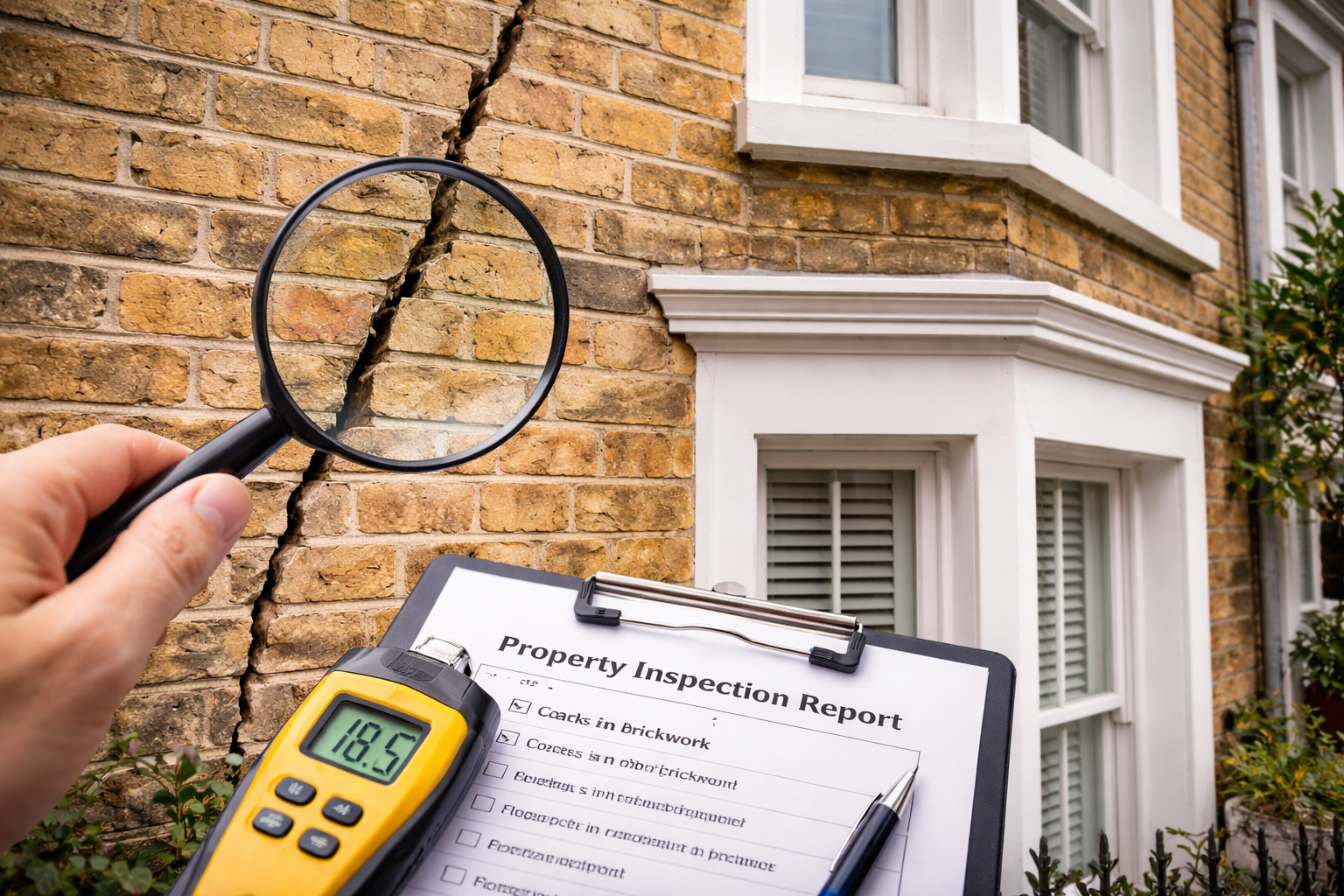
When buying a property, informed decisions matter. A thorough survey can often be the difference between a confident investment and an expensive lesson.